
Services / Development Pattern Districting
Development Pattern Districting
DPD is a more intuitive type of zoning that is gaining momentum in communities of all sizes. It establishes distinct districts, each regulated for the unique form and function of that district.
DPD is a recognition that cities are not a patchwork of individual zones, but are an interwoven network of unique districts each with their own distinct development patterns. These development pattern districts become the regulatory habitat for the properties within them, which allows regulations to be crafted based on the desired experience.Sean S. Suder
Districts, not patches
Conventional zoning applies zones at the micro level, street by street or lot by lot, until the map looks like a quilt and the code reads like a list of exceptions. The DPD method views the city instead as a network of districts, each with its own development pattern. A district may include many blocks of different uses and building types; together they form the character of that district.
The regulations applied to each district respect its existing development pattern while promoting the outcomes the community wants within it. A traditional downtown, a 1920s streetcar neighborhood, a mid-century commercial corridor, and a post-war subdivision get different rules because they are different places.
Why it works
- The map is legible. Residents can find their district and understand why its rules are what they are.
- Standards are calibrated to context, so height, frontage, and massing transition predictably at district edges.
- Fewer overlays, fewer variances, fewer case-by-case negotiations.
- It implements the comprehensive plan directly, because plan areas and development pattern districts line up.
- Future changes are modular: a district can be recalibrated without reopening the whole code.
DPD is the second step in our process, between the diagnostic and the code. It is where the code gets fitted to the place.
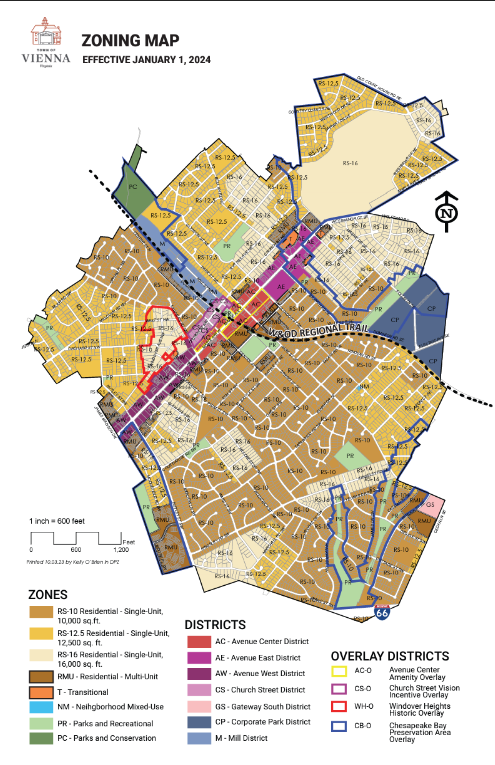
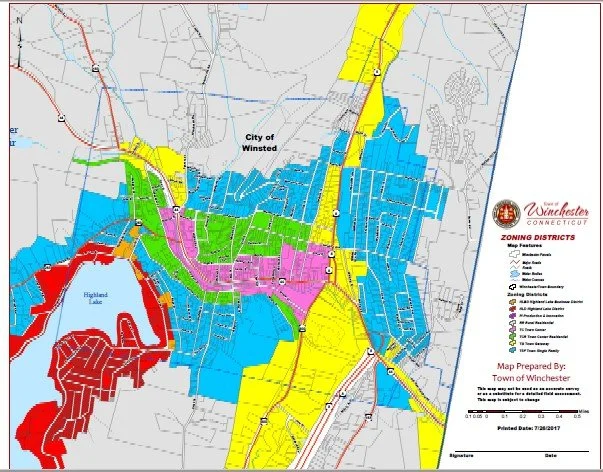
Example DPD maps
Not sure where to start?
Tell us what's not working in your code. We'll tell you what it would take to fix it, and what it would cost.